Helyszín címkék:
The amazing Danube Bend
Francisck Réka Alíz
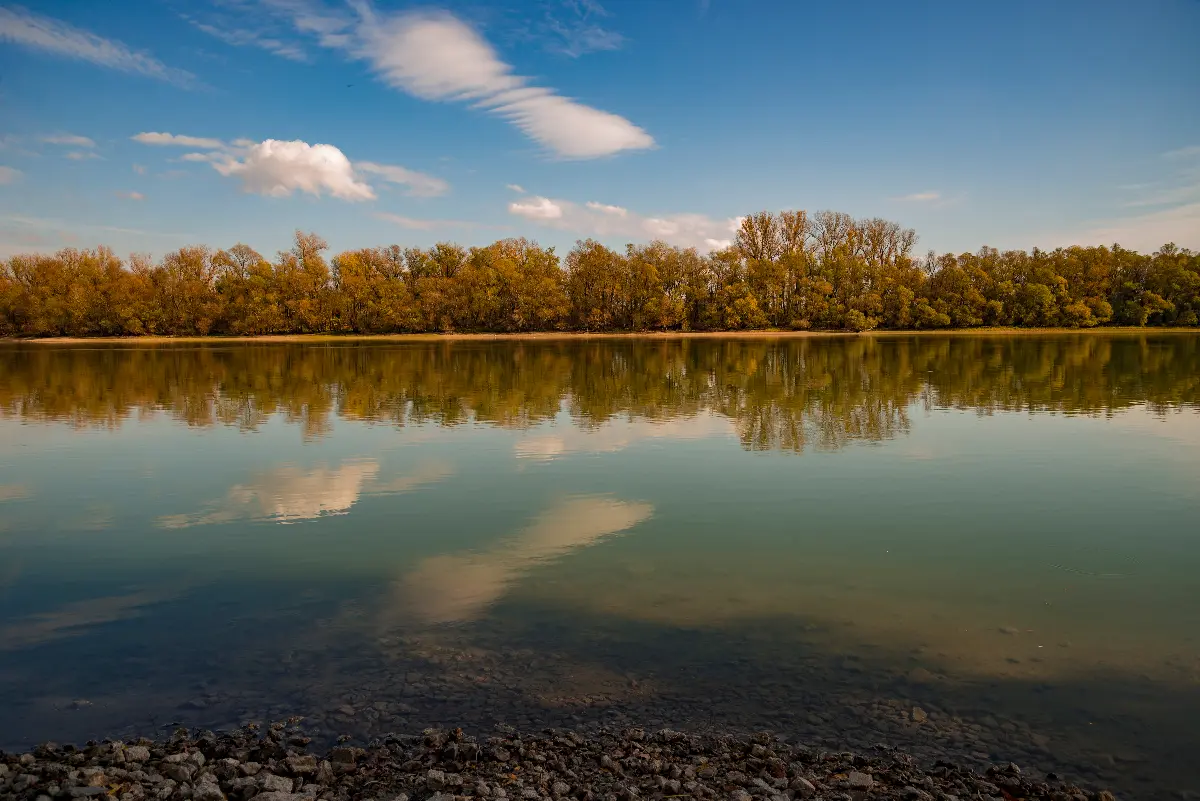
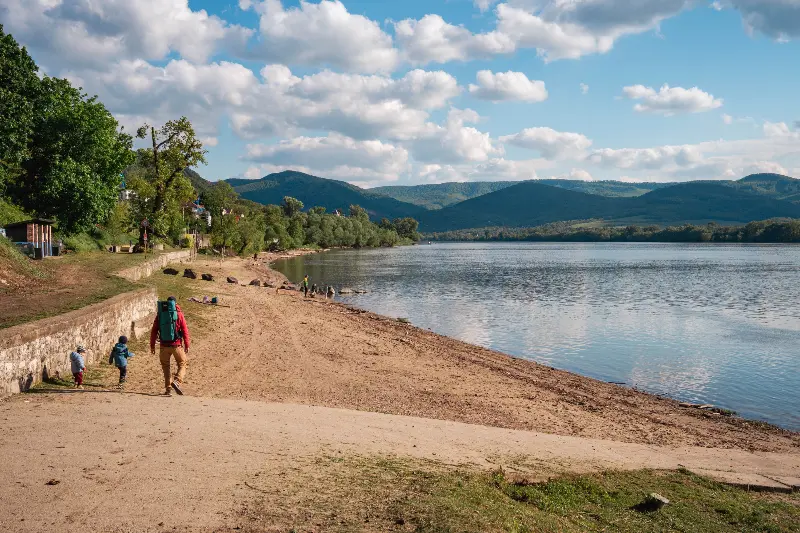
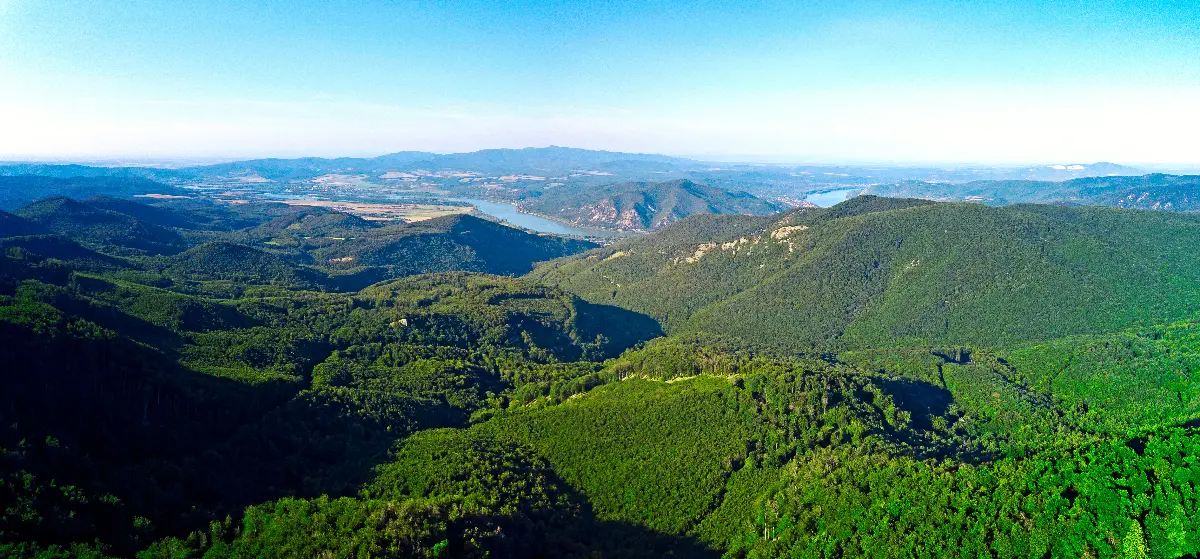
The Danube Bend is an almost regular S-shape in the form of the river, which starts just south of Esztergom and runs for 20 km past Visegrád, where it splits in two either side of the long and narrow Szentendrei Island. The forested hills along the river can be a refuge for the weary traveller from the city. This is one of the country's richest areas in historical and cultural heritage, with its picturesque landscape of green valleys, mountains surrounding the Danube, charming small towns, and breath-taking views from its imposing fortresses.
By boat from Budapest, even in one day
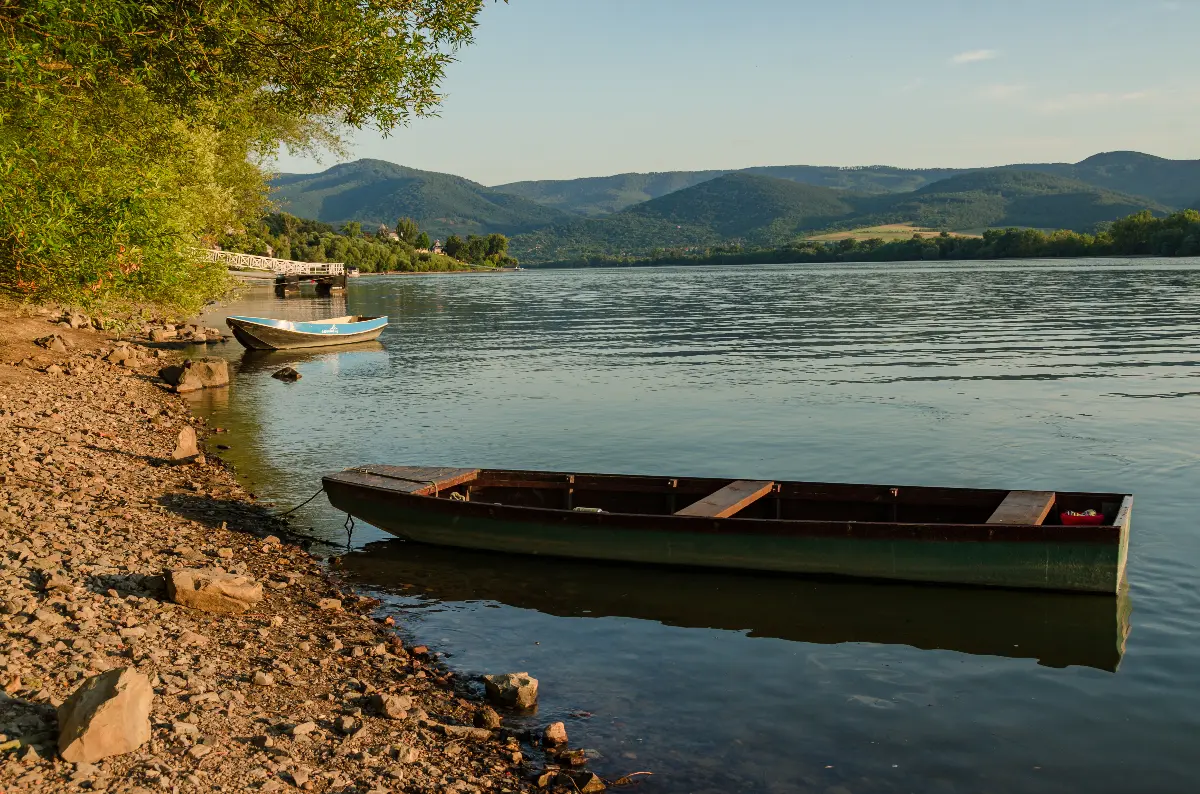
The beauty of the Danube Bend is best explored not only by visiting the towns along its banks, but also from the river itself. With the arrival of warmer weather, MAHART PassNave’s scheduled boat services are resuming, including those on the Budapest–Szentendre–Budapest route. The boats depart from Vigadó Square in Budapest and travel along one of the most beautiful stretches of the Danube Bend before arriving in Szentendre. From the deck, we can view the landscape from a completely different perspective: the mountains, the river’s bends, and the row of riverside villages are enchanting when seen from the water. During the trip, you will also have time to explore this charming little town, which, with its galleries, Mediterranean-style streets, museums, and colourful buildings, is one of the most well-known cultural centers in the Danube Bend. At the end of the day, we can comfortably return to Budapest on the same ferry.
The Danube Bend is a popular destination for Hungarian and foreign tourists alike. The region developed into a resort area from the second half of the 19th century, and Hungary's most famous writers, artists and musicians retired to Leányfalu, Verőce, Zebegény, Göd, Pomáz and Fót, where they found inspiration and space to create. The intellectual wealth of the region can be seen in unique exhibitions, memorial houses, and cultural events. While the enchanting small towns welcome travellers thirsting for culture, the Pilis Mountain range offers nature lovers a memorable experience with its unique rock formations, caves and diverse flora and fauna. The natural assets of the region include the “Duna-Ipoly Nemzeti Park” (Danube-Ipoly National Park) which, like the “Kis-Duna sétány” (Little Danube Promenade) or the “Strázsa-hegyi tanösvény” (Strázsa Hill Educational Path), is a great way to get a feel for the region's wealth of natural treasures. For families, we recommend the Börzsöny Children's Railway: the narrow-gauge, steam-powered train runs from Kismaros between May and September. For those looking for relaxation, the Danube offers many fishing spots and the thermal water aqua park on Prímás Island may satisfy their needs.
Leányfalu
The villages and towns along the Danube are worth a pleasant walk to discover. Let’s take a look round Leányfalu! Between the Szentendre-Duna River branch and the Visegrád Hills, the village has been considered a holiday resort since 1936. The ruins of the Roman watchtower bear witness to the history of the village. It was in the second half of the 19th century that the inhabitants of the capital discovered Leányfalupuszta, which was part of Pócsmegyer on Szentendrei Island, and initially actors, singers and writers bought plots here. Ignác Szendrey and his son-in-law, as well as the writer Pál Gyulai, who settled down here first and whose works were written here. Later, in 1912, Zsigmond Móricz, a superb storyteller with a deep knowledge of Hungarian society, became a landowner here. A 40 °C thermal spring was discovered in the second half of the 1960s, around which the largest beach and pool complex in the region was later built.
Esztergom
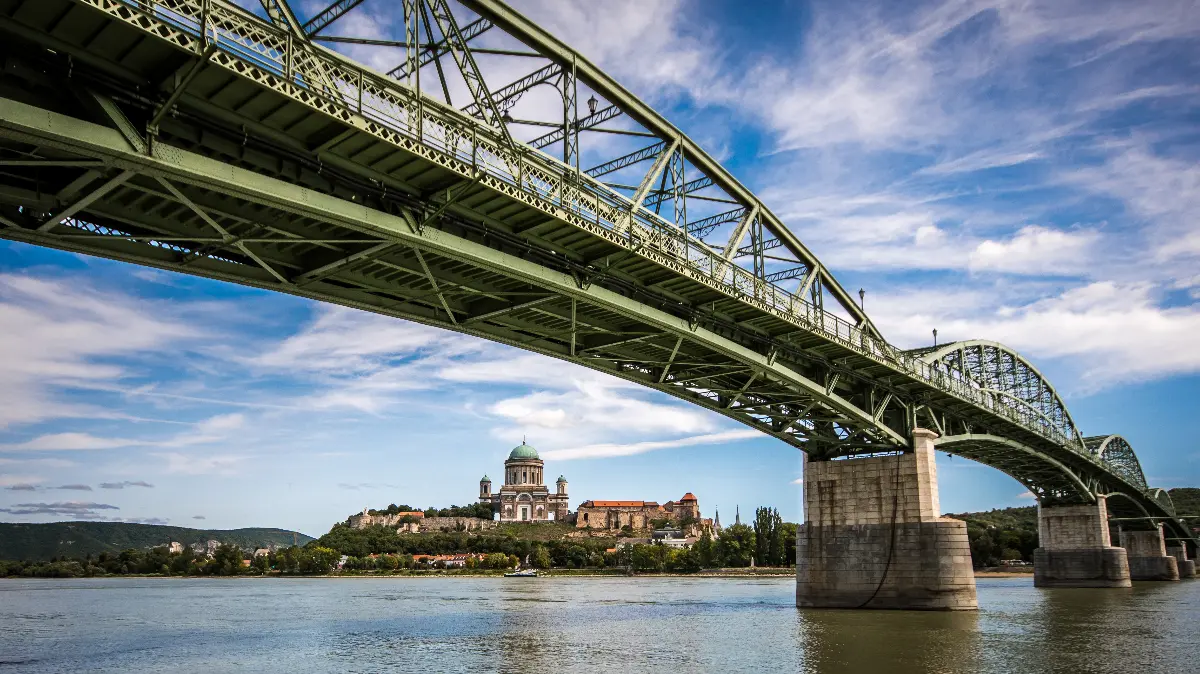
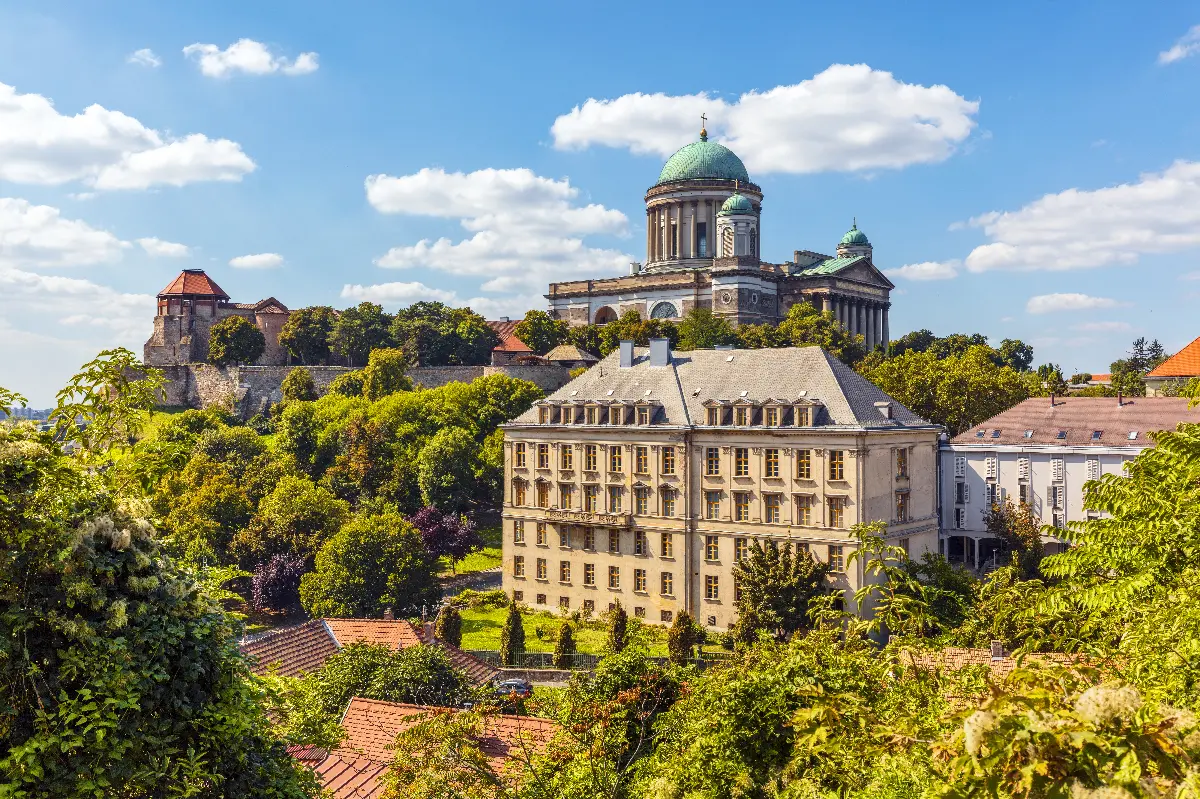
Esztergom tells the story of the history of Hungary through its monuments and buildings. Its favourable geographical location has played a significant role in the development of the city. Mountain and plain met at the town, it was both a Danube crossing point and a meeting point for military and trade routes. Hungary's first king, St Stephen was born here and was crowned king here in 1000. After that, the city was the seat of the Hungarian kings until 1241, when, after the Mongol invasions, it was transferred to the more defensible Buda. King Bela IV Though his court moved away from Esztergom, the city was still considered by ecclesiastical dignitaries as the "Rome of the country", and the Archbishop of Esztergom is still the head of the Catholic Church in Hungary. Esztergom's main attraction is the huge neoclassical Basilica (the largest church in Hungary), which towers like a coat of arms over the Danube. The red marble Bakócz Chapel, the treasury's rich ecclesiastical collection and the crypt of the Basilica are frequently visited. The city's Maria Valeria Bridge provides a crossing point for those heading to Slovakia.
As the excursion destinations of the Danube Bend are close to Budapest, those in the capital can plan a day trip without any worry. We should expect to come back yearning to see more.
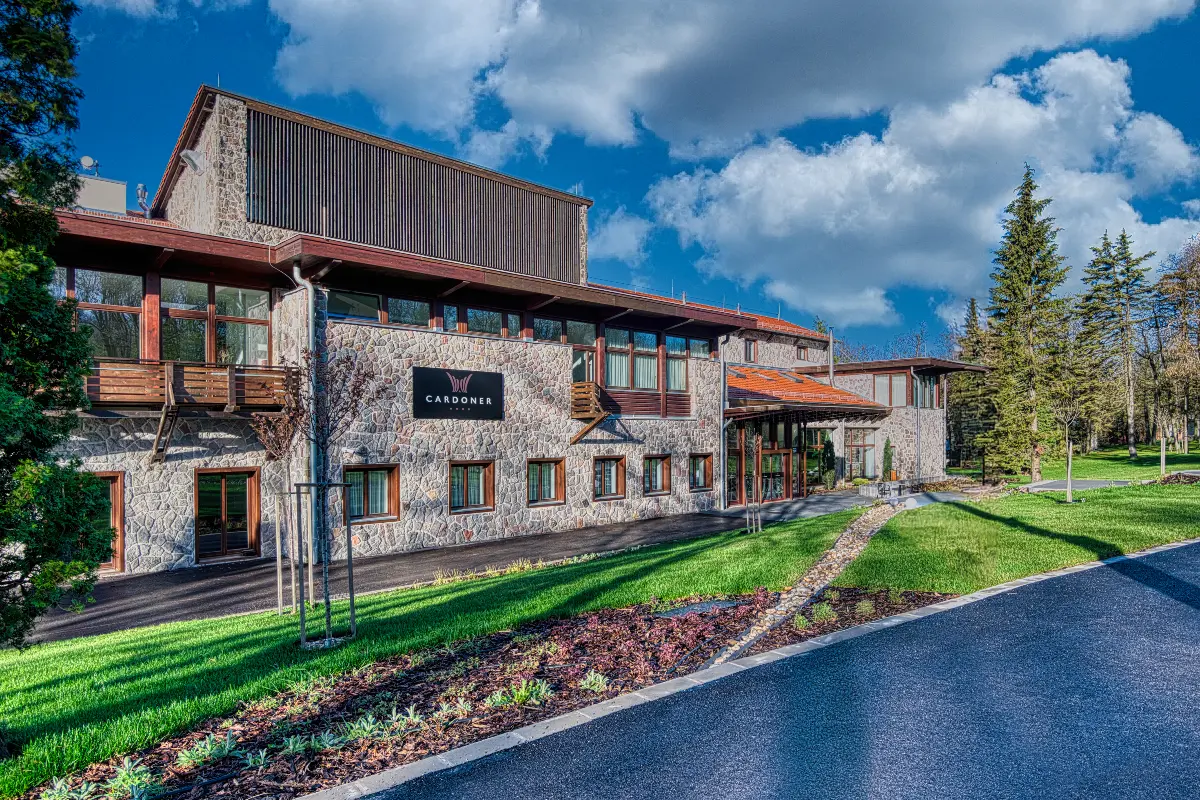
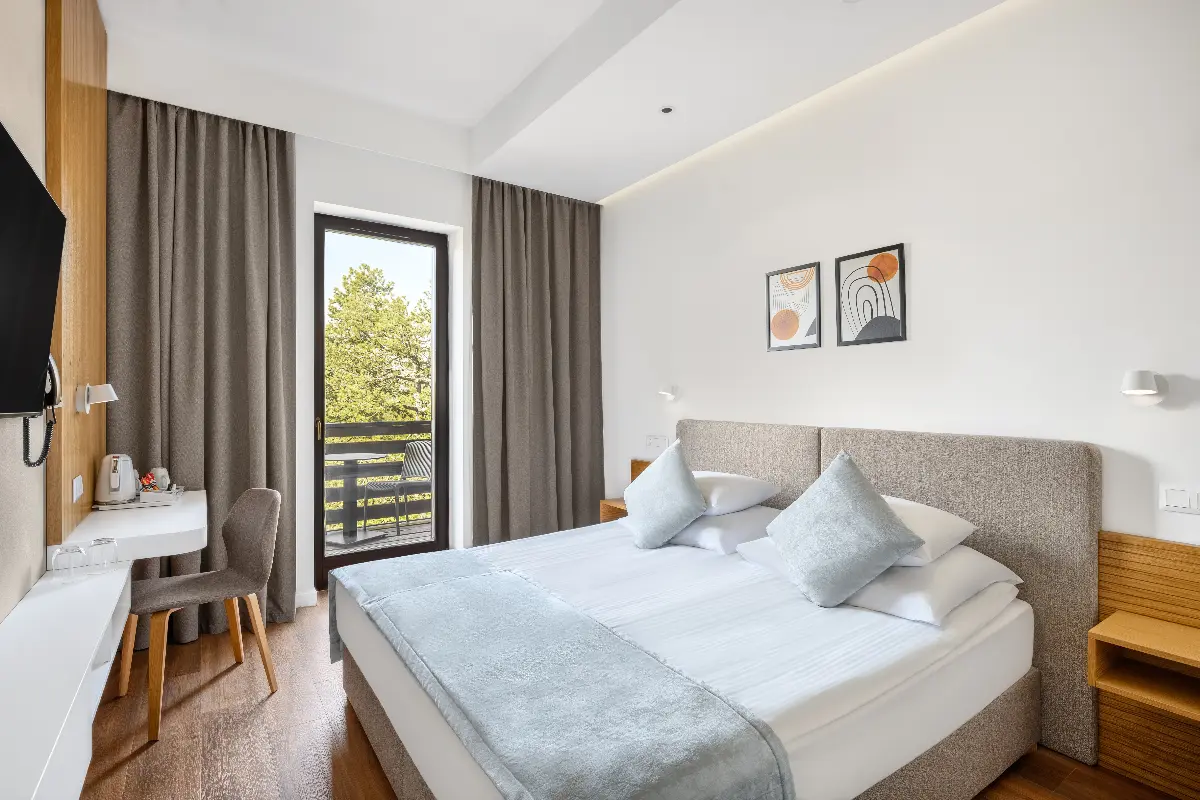
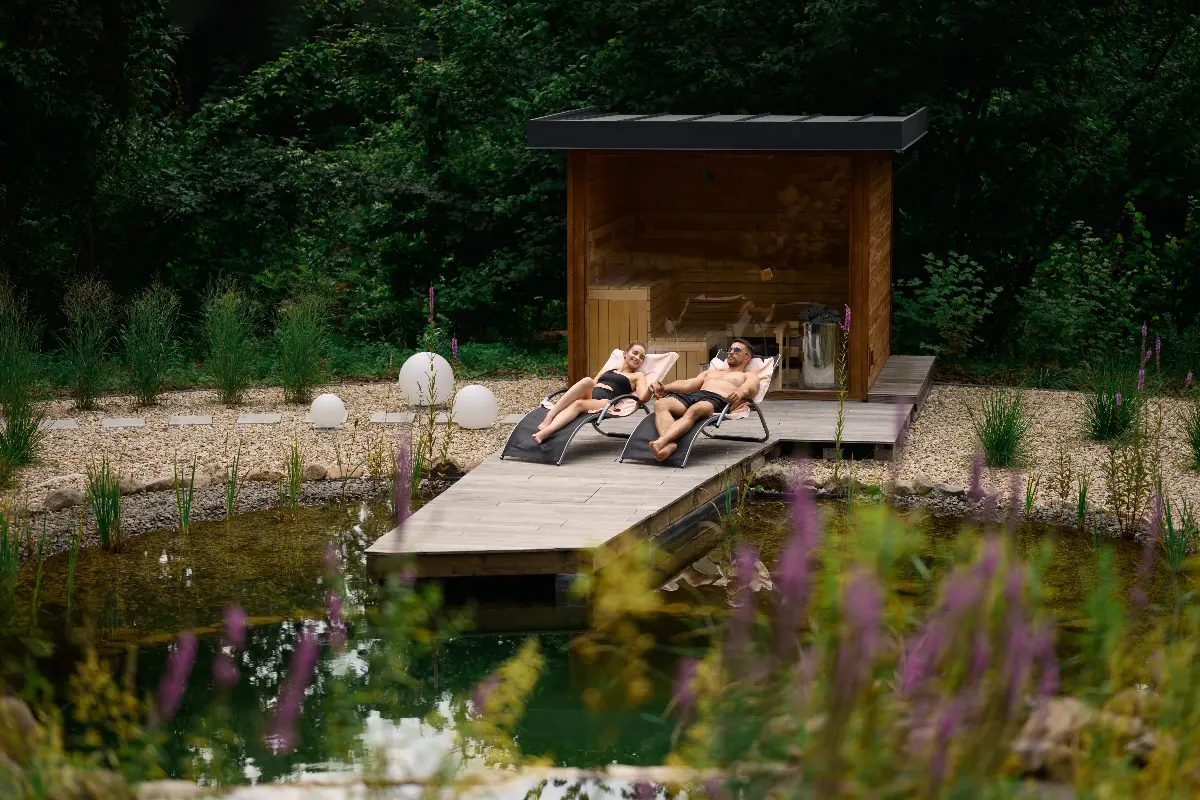
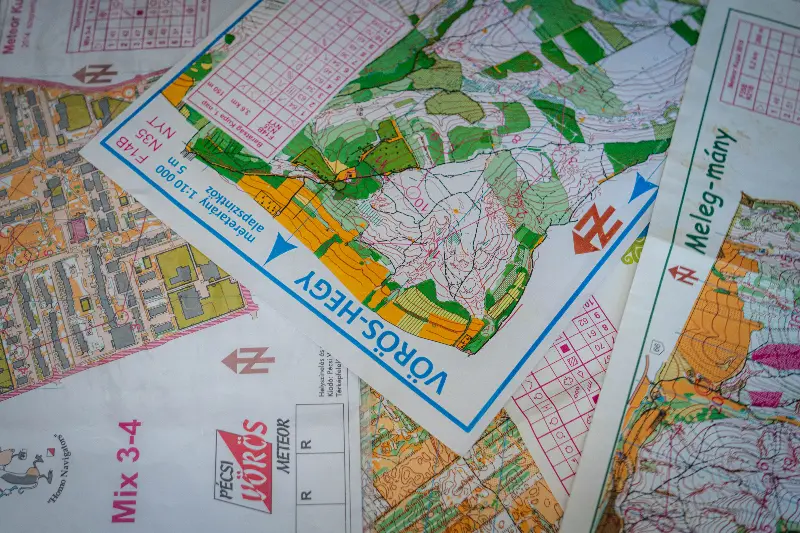
A tip from Hello Hungary: However, if you want to have enough time for everything, it’s worth staying in the Danube Bend while you explore. The four-star Cardoner Hotel and Conference Center, located in one of the most beautiful, forest-surrounded spots in the Pilis Mountains, is a great choice. The hotel can be an excellent starting point for excursions: there are numerous forest trails, lookout points, and hiking trails in the area, and it also makes a great base for a weekend of sightseeing in the Danube Bend. You might want to book a sauna session, relax in the Finnish sauna with its panoramic view of the garden pond, or unwind after a long day on the lounge chairs on the garden terrace. You can play pool, book a massage, or simply sit out on the terrace with a glass of Cardoner Rosé and watch the sun sink behind the trees in a golden glow.