Helyszín címkék:
To drink or not to drink – wine, fasting, and a little cultural history pilgrimage into the past
Mészáros Gabriella
In this article, you can read about:
- the times when wine consumption could be the key to survival
- the unit of measurement known as the hemina
- the necessity of periodic fasting
Sober renunciation or sacrifice?
Sacrifice has been part of what we call religiosity since ancient times. It is part of our relationship with a higher power, and its roots lie in the recognition of our dependence and frailty, and in the atonement for these. The best-known types of sacrifice, according to their motivation, are propitiatory sacrifice, thanksgiving sacrifice, and votive sacrifice. The object of sacrifice can be anything of value. The formal essence of libation (libatio) was renunciation of something, most often in the form of destruction. Wine poured into the fire evaporated, but pouring it onto the ground also perfectly expressed the intention of renunciation. Here, the act of giving to Mother Earth played just as important a role as “offering” to the ancestors resting in the ground. Of course, renunciation could also be expressed by handing over to priests, shamans, and other prominent figures.

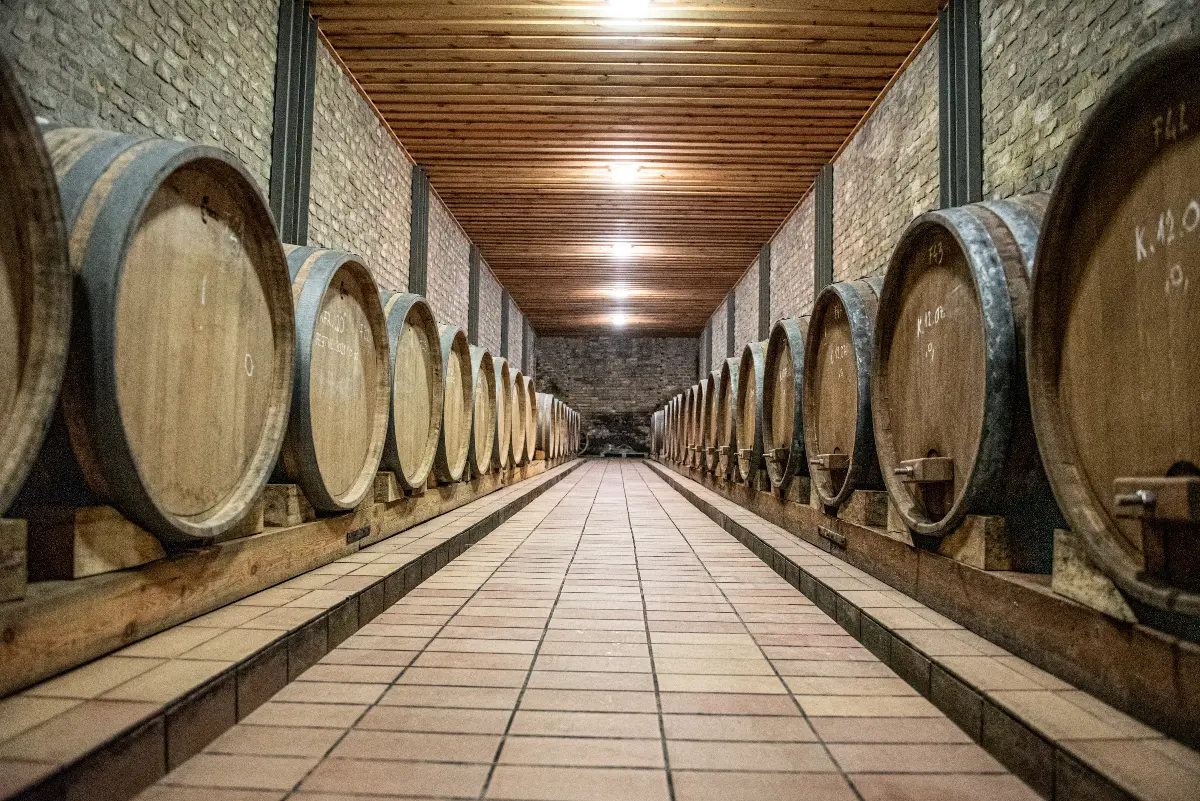
After the fall of the Roman Empire, everyday life in Europe underwent significant changes. During this period, alcohol was consumed in large quantities. Wine was the most popular drink, not only among kings, church dignitaries and nobles, but also as a supplement to the daily “diet” of the poor. From the ancient world, it was the Christian Church that passed on the culture of wine consumption, wine production, and production methods. It is no coincidence that medieval monastic orders produced beer and wine, usually from ingredients they grew themselves. The rules of the various monastic orders specify how much wine consumption was permitted in each order. They believed that the best way to curb physical appetite was to drink wine, a gift from God. The role of wine within the Catholic Church is evident not only from the rules, but also from the appearance of the patron saints of certain beverages. Examples include St. Adrian, the patron saint of beer, and St. Martin, the patron saint of wine.
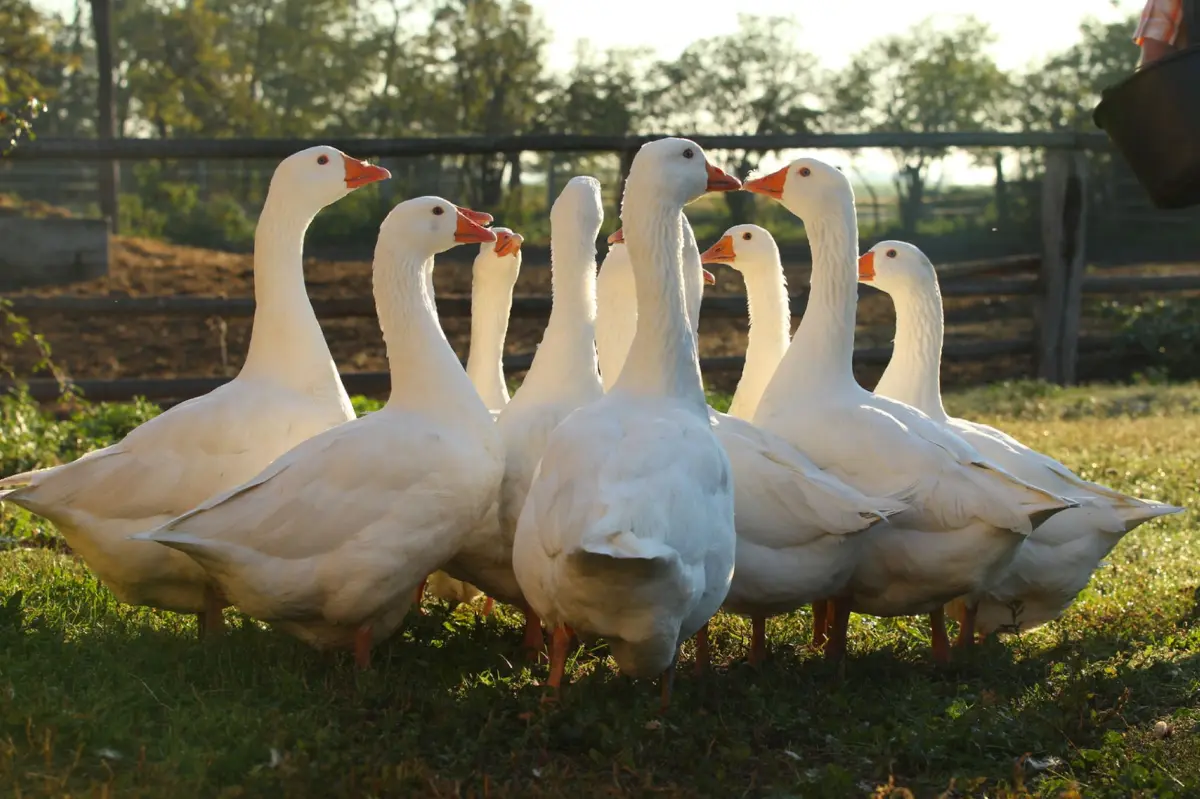
St. Martin’s role in European wine consumption is clearly traceable – regardless of the fact that, knowing his life story, it is difficult to imagine him as an active wine drinker. At the beginning of winter, on the 11th of November, St. Martin’s Day, according to certain assumptions, goose must be eaten, which is a continuation of a Roman tradition.
Like many other things, this holiday has evolved to meet the demands of the modern age, becoming associated with cultural tourism, gastronomic events, wine, and wine tasting.
The connection between St. Martin and wine is deeply rooted in folk tradition in German-speaking countries and in Hungary. Martin is one of the patron saints of winegrowers. Legends have been used to support his connection to wine. According to a story, he planted a miraculous vine in the city of Tours, where he was the bishop. Another legend says that, like Christ, he could turn water into wine, but the expression “Saint Martin with the Big Cup” is also known, which refers to the consumption of wine for healing purposes. Incidentally, if we focus on the date, it becomes clear that this period coincides with the possible date of the last great feast before Christmas.
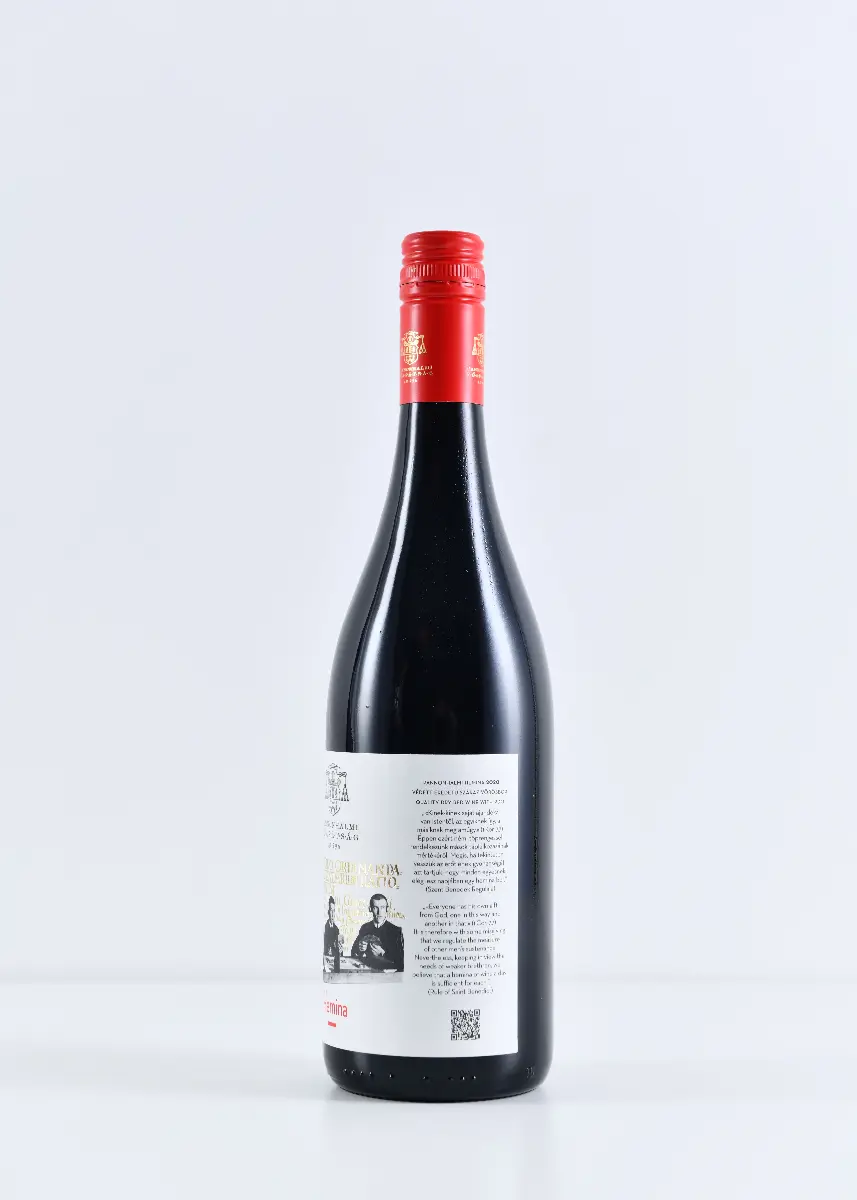
The Rule of St. Benedict placed sufficient emphasis on the health of monks. It precisely defined the amount of wine that was recommended for daily consumption. This was none other than hemina. No one knows the actual measure of hemina. Presumably, individual moderation was the guiding principle.
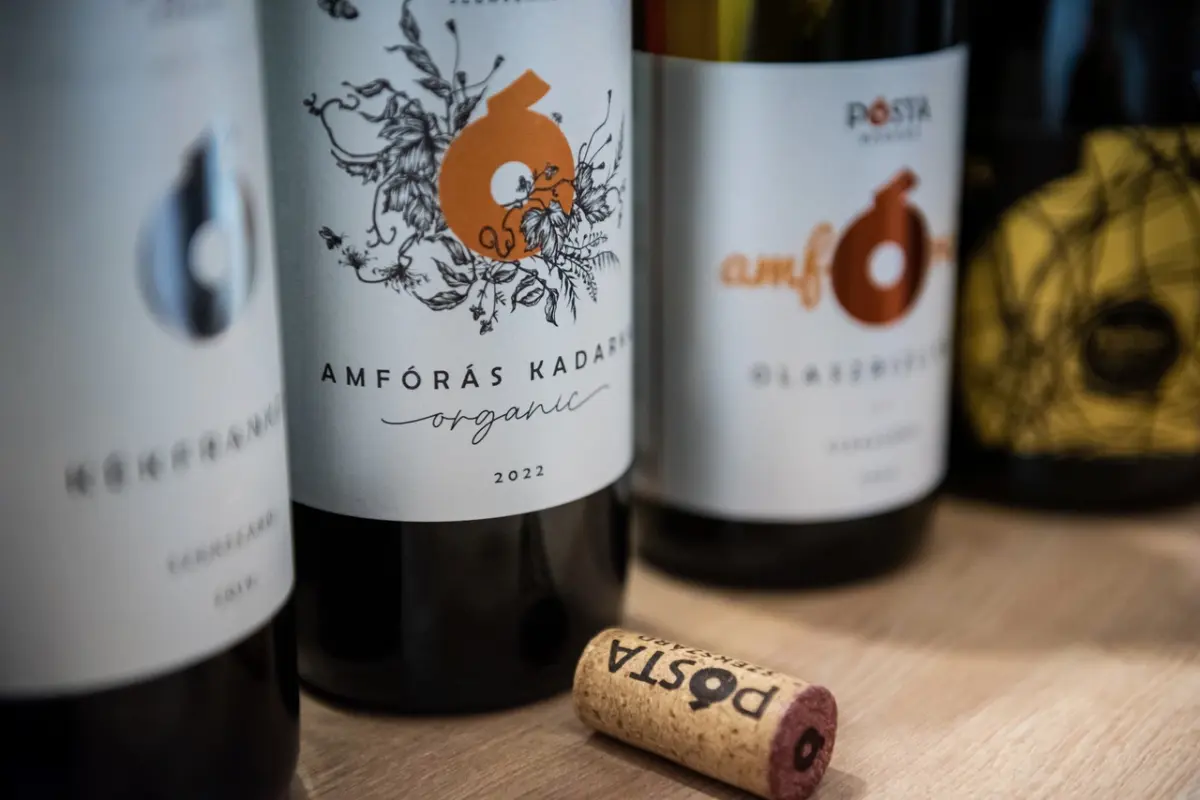
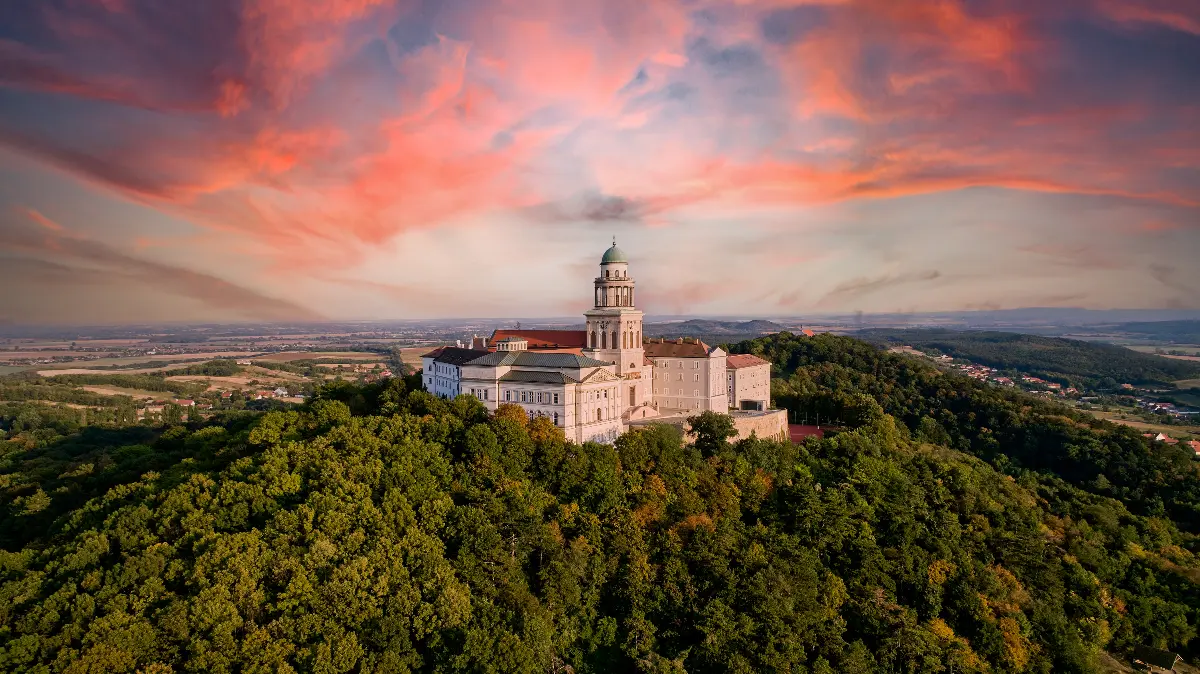
If you would like to learn more about the relationship between monastic life and winemaking, visit Pannonhalma, the emblematic seat of the Benedictines. The Basilica and the winery together offer a unique experience. At the Abbey Winery, you can take a guided tour and perhaps have the opportunity to taste the Burgundy-style white wine called Hemina, as well as its red counterpart, the ”Pannonhalma Bordeaux”. Alternatively, you can find an excellent, modern wine exhibition in Tokaj, at the Wine Museum.
In many places, we encounter writings about the “civilized” way of drinking wine. On the one hand, the adjective “civilized” can mean moderation. Cultural anthropologists and ethnographers unanimously agree that the consumption of alcoholic beverages in the past could have reached astonishingly high levels. It is, of course, impossible to determine an average for all members of society, but according to some calculations, in the 13th-17th centuries, this could have been as much as 1-3 litres per day in the case of wine or beer. This was obviously influenced by the lack of good drinking water, the thirst-inducing nature of meat preserved primarily with salt and smoke, and, last but not least, the high energy content of alcoholic beverages.
Alcohol from fruits
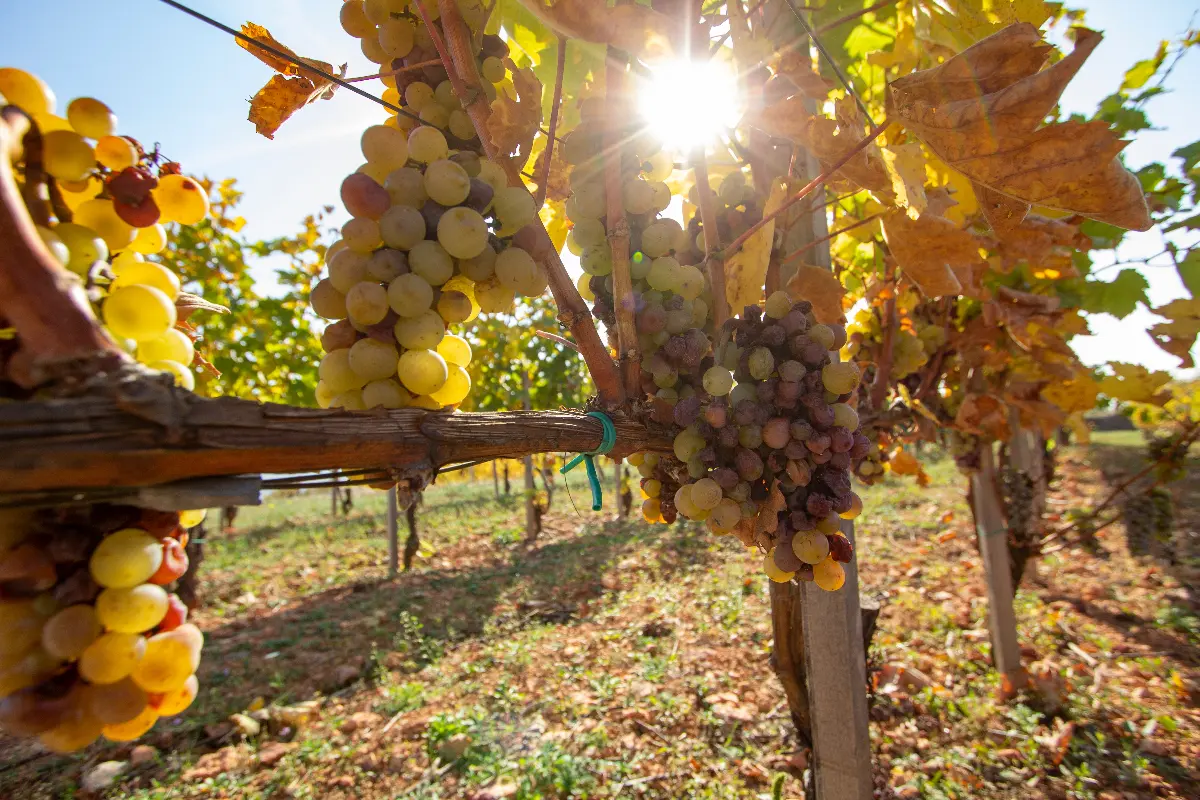
In addition to the church, the king and the nobility also consumed various alcoholic beverages. Grapes were grown in large quantities on royal estates, and grape growers were also required to supply wine to the king as a tax. There were several types of wine. In addition to grape wine, wine made from other fruits was also popular, but there were differences in rank: grape wine was usually drunk by the king, high-ranking clergy, and nobles. The poorer classes most often had apple or pear wine on their tables. Wines flavoured with various spices were also known, and honey wine was often consumed, too. They knew how to produce alcohol from any fruit.
Fruit wines were served as refreshing drinks, as drinking water was not popular. This was partly because no water purification methods were known at that time, so many diseases (e.g., cholera) spread through water consumption, and thirst was therefore quenched with light wines instead. Thanks to the invention of the distillation process by Albertus Magnus (Albert von Bollstädt, Saint Albert the Great (1193 or 1206-1280): German Dominican monk, philosopher, and theologian), medieval spirits became more reliable and had a longer shelf life due to their higher alcohol content. Spiced wines with high alcohol content were consumed as aperitifs and used to cleanse the palate after meat dishes. Alcohol was also believed to have medicinal properties; for example, drinking red wine during pregnancy was thought to promote the birth of a male child. (Obviously, the producers in Somló have a different opinion on this...)
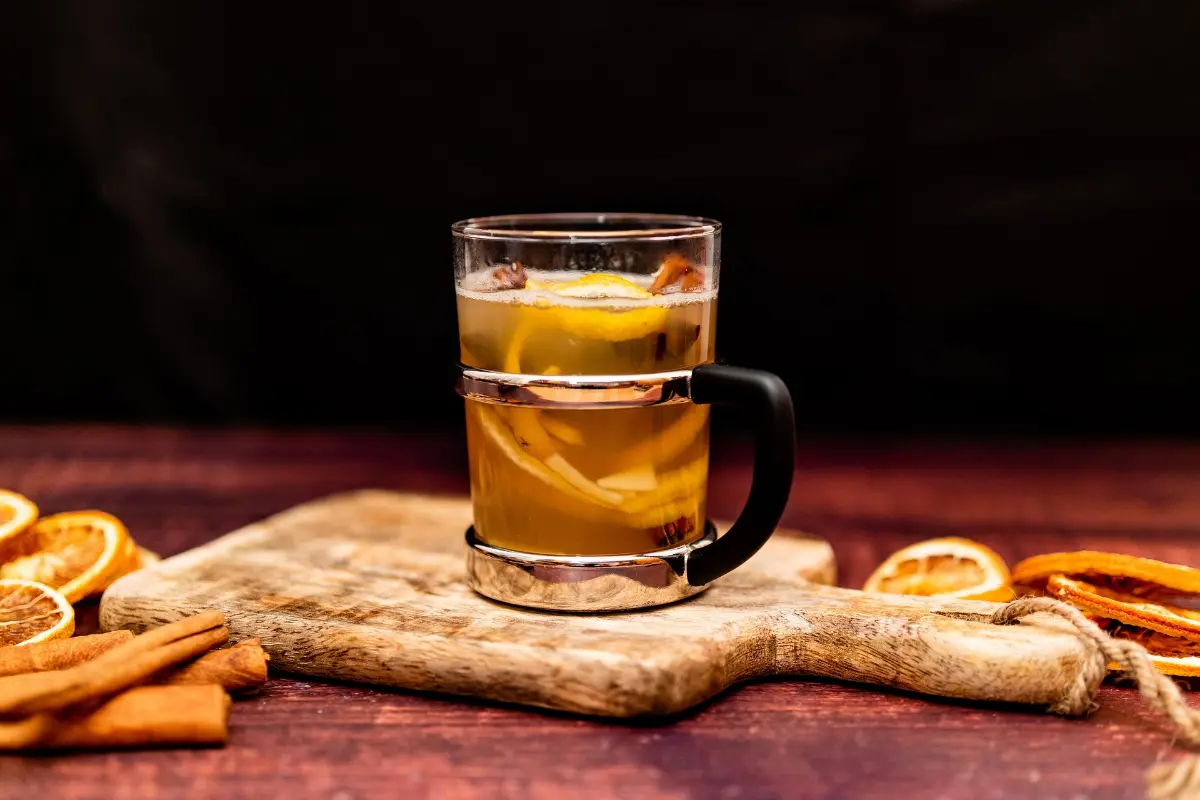
Knowing today’s wine consumption habits, it is easy to conclude that medieval people were all alcoholics. A French fisherman’s daily wine intake was 2.5-3 litres, and according to some sources, a Hungarian man drank 3-5 litres a day. The average was similar in monasteries. It is no wonder that the average life expectancy in the Middle Ages was so low, as boys were allowed to drink wine from the age of 14, which meant they could be counted among the adult men. Food shortages also contributed to the poorer people supplementing their missing food rations with calorie-rich wine – even then, there was already an overproduction of wine in Europe. The wealthier classes also consumed considerable amounts of wine as a thirst-quencher during rich, fatty, and salty feasts.
Periodic fasting
Under these circumstances, it is clear that periodic fasting was necessary for health reasons. Some sources suggest that beer brewing was very popular among monastic orders because beer was considered a significant source of energy even during fasting periods. Such a positive effect can of course also be associated with wine consumption, but I believe that this is not the essence of fasting.

Periodic food deprivation is just as important for people today as it was for our ancient or medieval ancestors. Those who regularly consume alcoholic beverages, such as wine – myself included – find it particularly necessary to take a break of two to three weeks several times a year. Ideally, it is worth eliminating not only wine but also certain types of food from our diet during this time. I don’t think anyone would dispute the beneficial effects of fasting for shorter or longer periods of time. Whether “emptying” our bodies is truly equivalent to fasting in the religious sense is another question. According to the teachings of any widespread religion, renouncing the desires of the body is not the same as renouncing both the physical and spiritual aspects of life. Cleansing the spirit of negative thoughts, or even evil intentions, cannot be neglected. Indeed. A much more important element of fasting is spiritual purification, which allows for renunciation, deprivation, and introspection. Yet even giving up coffee is not easy...